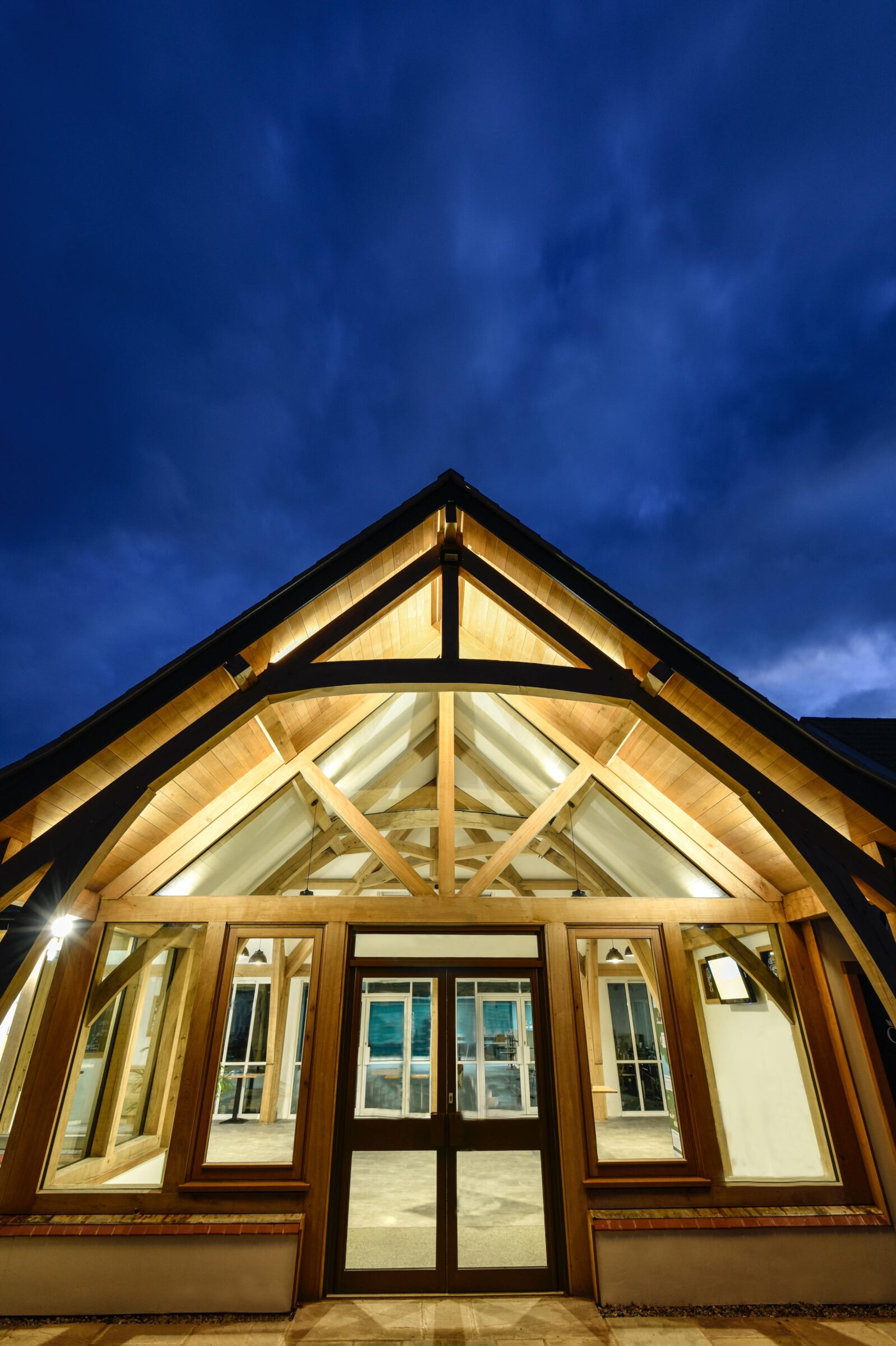
Thomas Studio has significant experience designing community buildings across Herefordshire, the Cotswolds, Gloucestershire, and Shropshire—village halls, community centres, church reordering projects, and facilities serving local populations. Community architecture demands different approaches than private residential work, requiring collaborative design processes, careful budget management, understanding of diverse user needs, and navigation of funding requirements from lottery grants, trusts, and public sector bodies.
Community building projects involve multiple stakeholders with varying priorities. Parish councils, management committees, user groups, funding bodies, and local residents all hold legitimate interests in project outcomes. Successful community architecture requires facilitating consensus among these groups, balancing competing priorities, and creating designs that satisfy diverse requirements while maintaining architectural coherence. Our experience managing these collaborative processes ensures all voices are heard while maintaining project momentum toward successful completion.
Funding structures significantly influence community projects. Many rely on grant funding from Heritage Lottery Fund, Big Lottery Fund, charitable trusts, and public sector grants. These funding bodies impose specific requirements—detailed business cases, community consultation evidence, conservation principles for heritage projects, accessibility standards, and sustainability criteria. We understand these requirements thoroughly, preparing applications and designs that satisfy funding body expectations while delivering spaces communities need.
Church reordering represents a specialist subset of community architecture. Historic churches require sensitive interventions that respect ecclesiastical heritage while creating flexible spaces for contemporary worship and community use. Diocesan approval processes, faculty jurisdiction, and Church of England requirements add complexity beyond standard planning and listed building consent. We’ve successfully navigated these processes, delivering church reordering schemes that enhance liturgical function, improve accessibility, and create welcoming community spaces while preserving historic character.
Village halls and community centres demand functional flexibility. Single spaces must accommodate diverse activities—from children’s groups to exercise classes, from community meetings to social events. Our designs incorporate adaptable layouts, effective storage solutions, efficient servicing, and environmental controls that allow comfortable use across all seasons. And we prioritise accessibility, ensuring community facilities welcome all users regardless of mobility or sensory limitations.
Budget constraints significantly influence community projects. Public and charitable funding rarely matches private residential budgets, requiring creative design approaches that maximise impact within tight financial parameters. We excel at value engineering—identifying where investment delivers greatest benefit, specifying cost-effective materials that maintain quality, and designing efficiently to minimise unnecessary expense. Our experience ensures realistic cost planning that avoids the budget overruns that can derail community projects.
Consultation and engagement form essential components of community architecture. Funding bodies typically require evidence of community involvement in design development. We facilitate consultation processes through public meetings, stakeholder workshops, and design presentations that gather meaningful input while managing expectations about what’s achievable within budget and regulatory constraints.
Whether your community needs a new village hall, church reordering to create flexible worship and community space, renovation of an existing community facility, or entirely new community building serving local populations, we bring the collaborative approach, technical expertise, and funding knowledge community architecture demands. As trustees of multiple charities ourselves, we understand the governance responsibilities and decision-making processes that shape community projects. Contact us to discuss your community’s architectural needs.