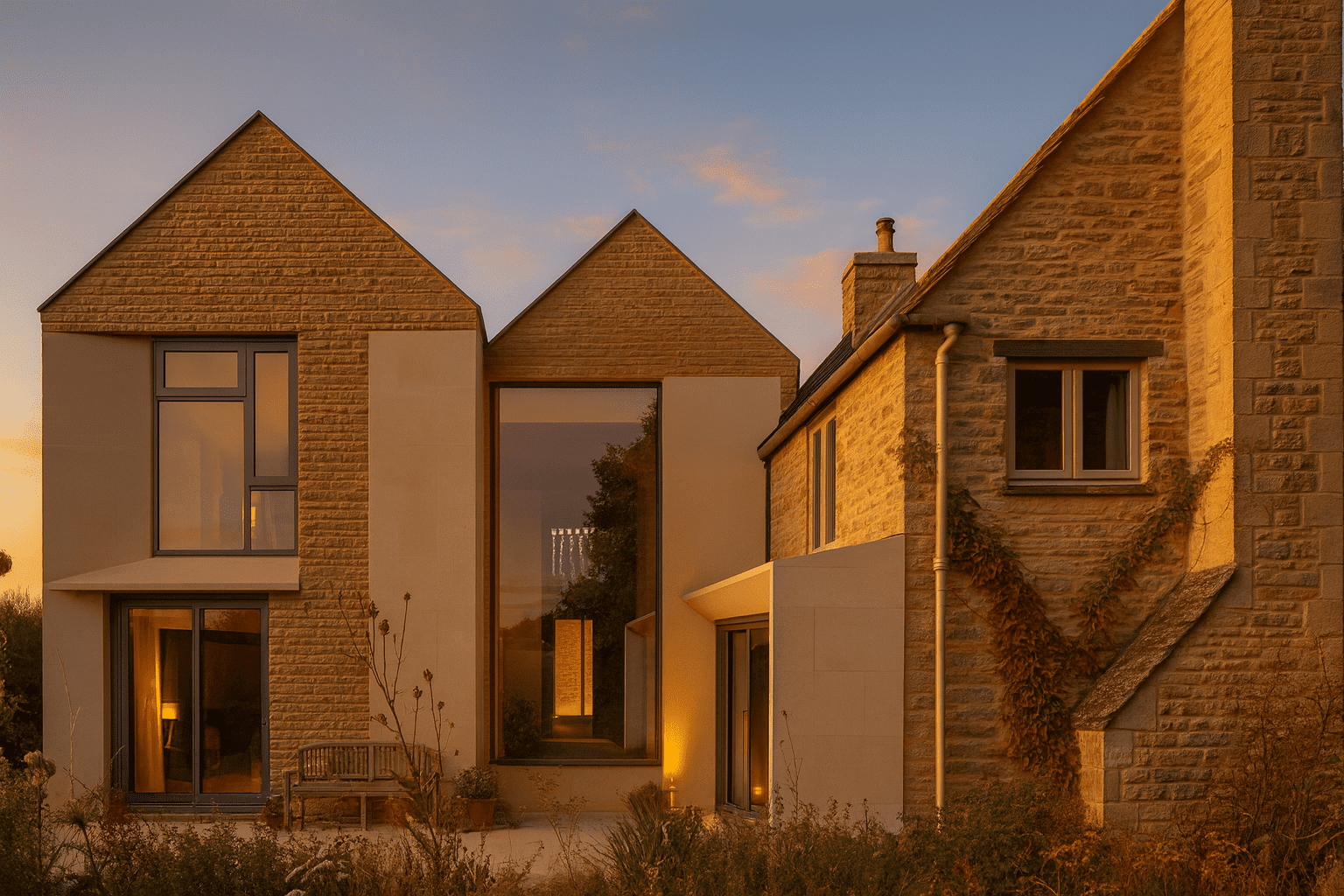
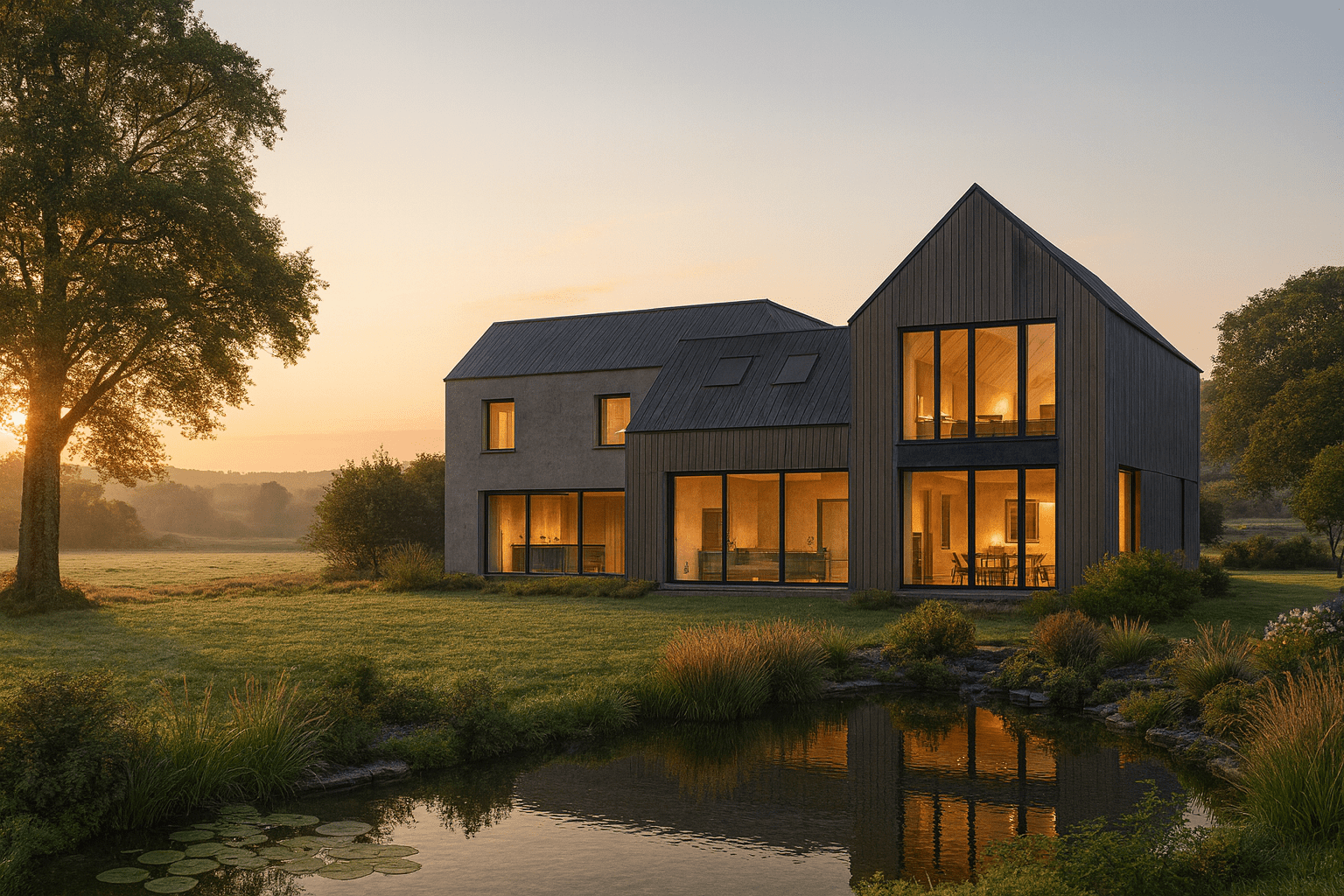
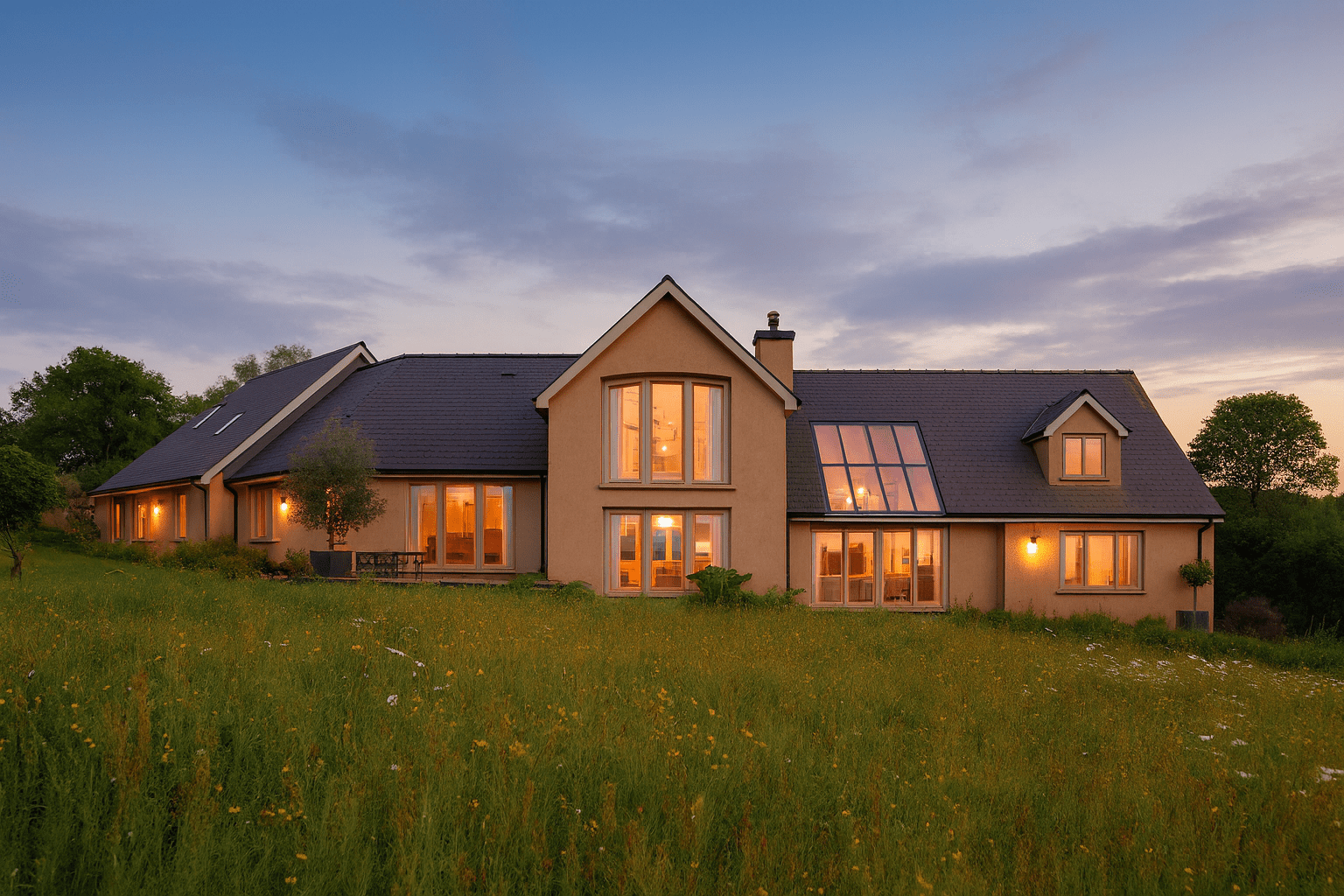
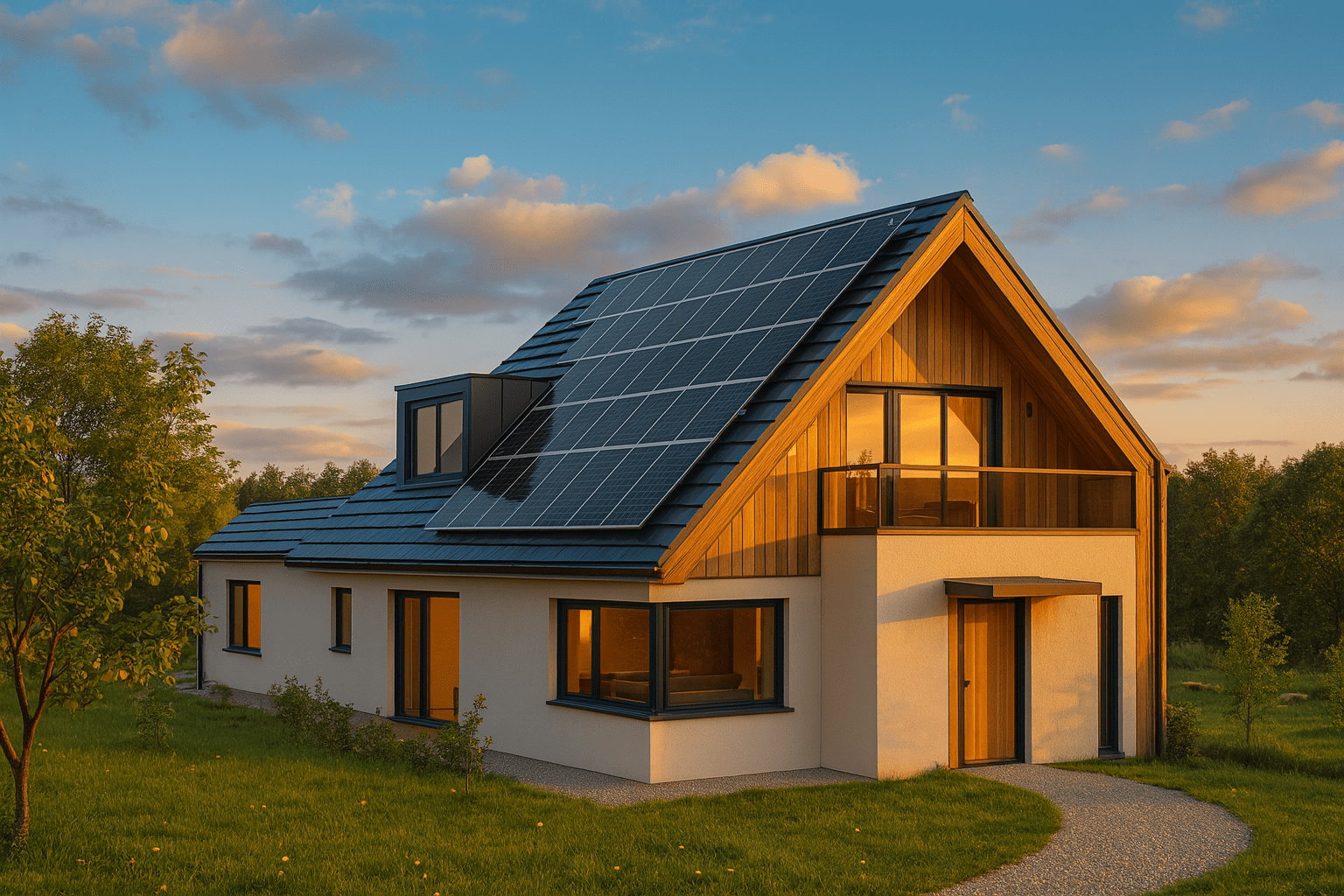
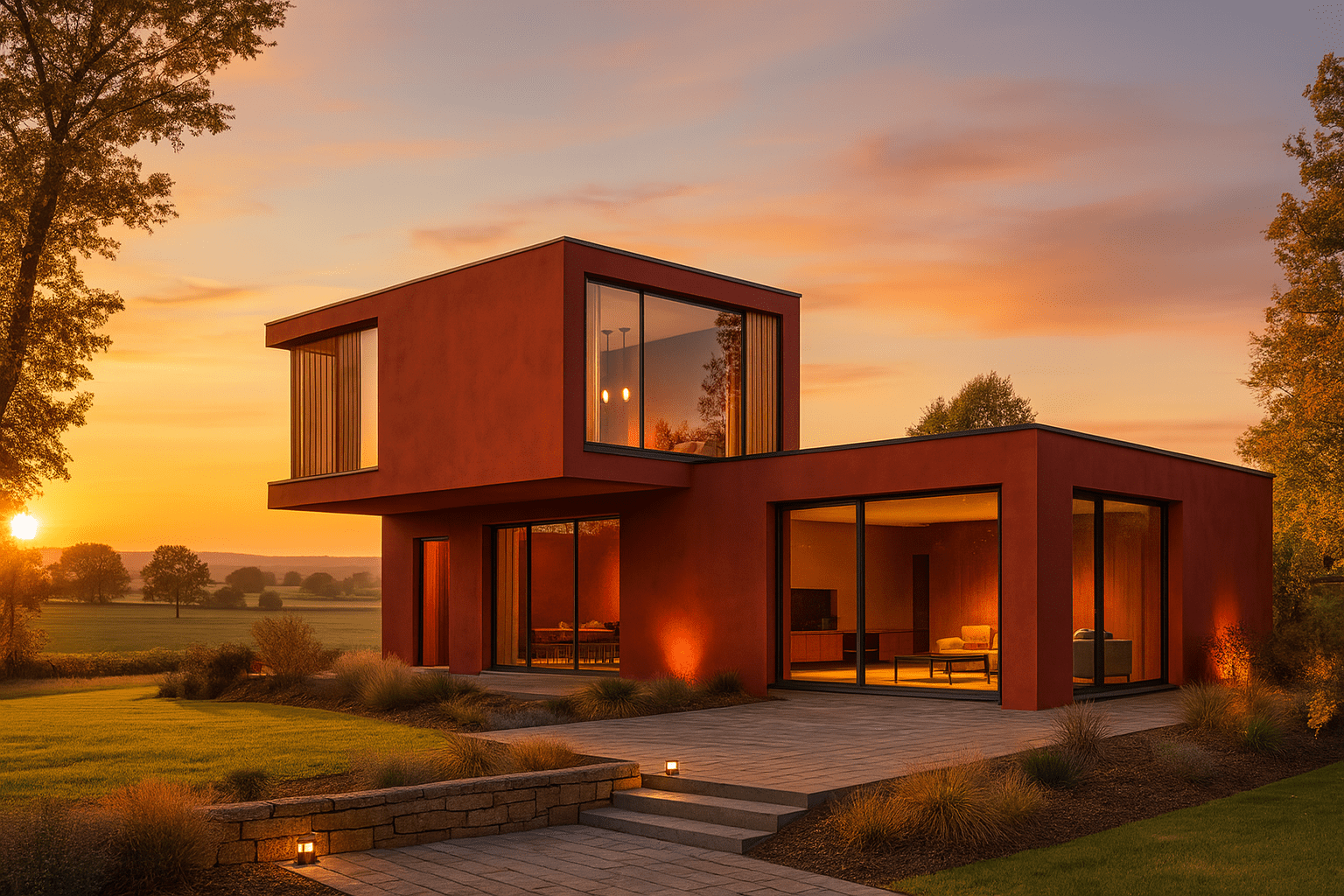
Thomas Studio has extensive experience designing and securing planning consents for projects within Areas of Outstanding Natural Beauty across our region—the Wye Valley AONB, Malvern Hills AONB, and Cotswolds AONB. These nationally protected landscapes present particular planning challenges that require specialist architectural knowledge, sensitive design approaches, and thorough understanding of AONB planning policy frameworks.
Areas of Outstanding Natural Beauty receive the highest level of landscape protection, equivalent to National Parks. The primary purpose of AONB designation is conserving and enhancing natural beauty. Planning policy establishes that great weight should be given to conserving and enhancing landscape and scenic beauty in AONBs, with major development normally refused except in exceptional circumstances and where it can be demonstrated to be in the public interest.
This protection creates specific challenges for development proposals within AONB boundaries. New buildings must demonstrate exceptional sensitivity to landscape character, employing materials, forms, and scales that sit comfortably within their setting. Extensions to existing properties require careful design to avoid harming the landscape quality that justified AONB designation. Even relatively modest proposals face heightened scrutiny, with planning officers and AONB management teams examining visual impact, landscape character effects, and cumulative development concerns.
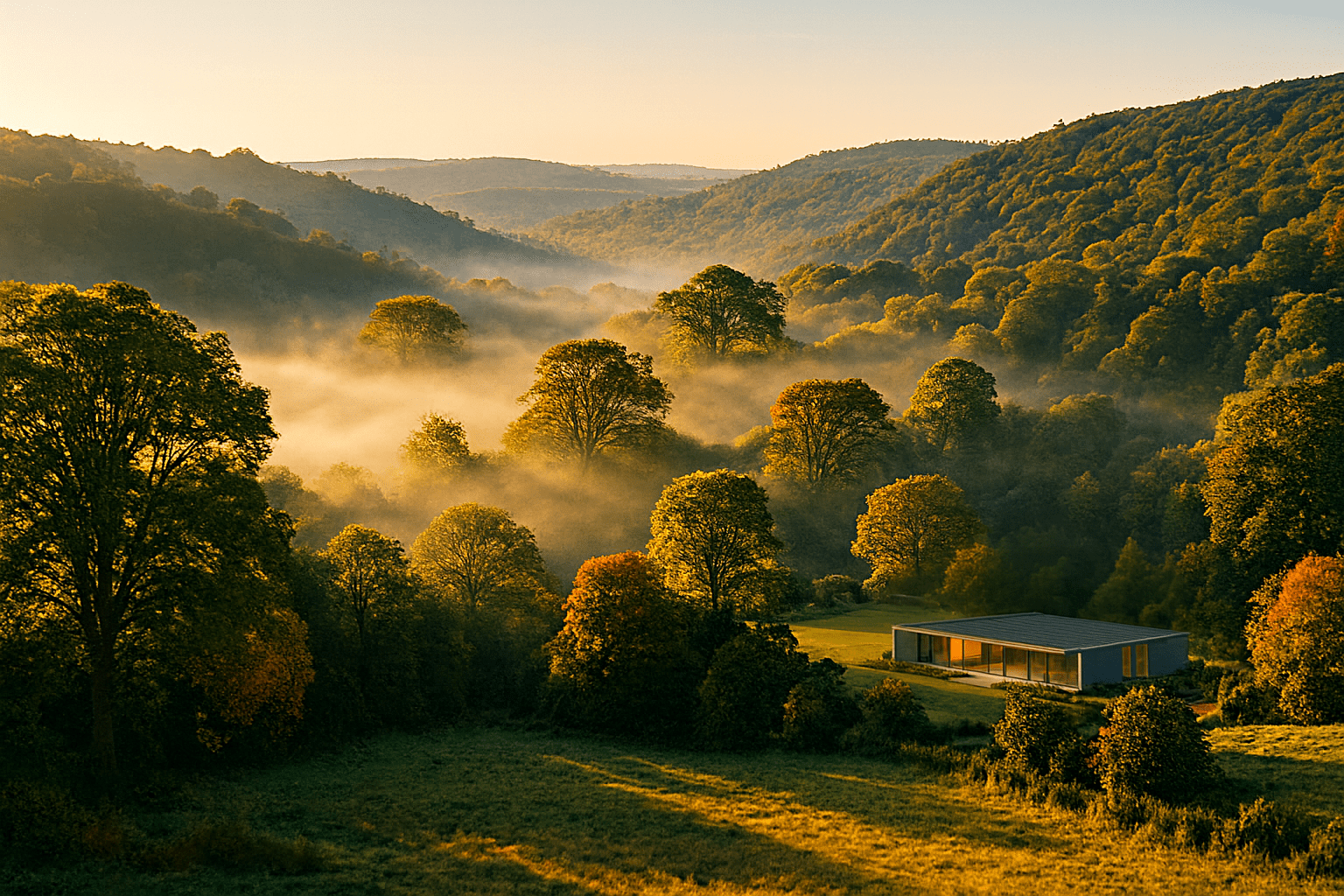
The Wye Valley AONB spans the border country between Herefordshire, Gloucestershire, and Monmouthshire, encompassing dramatic river gorge landscapes, ancient woodlands, and historic settlements. Projects here must respond to steep topography, wooded settings, and the particular character of Wye Valley vernacular architecture. The Malvern Hills AONB protects the distinctive ridge landscape visible across multiple counties, with development scrutinised for visual impact from these prominent viewpoints. The Cotswolds AONB—England’s largest—covers diverse landscape character areas, from dramatic escarpments to gentle wolds, each requiring specific design responses.
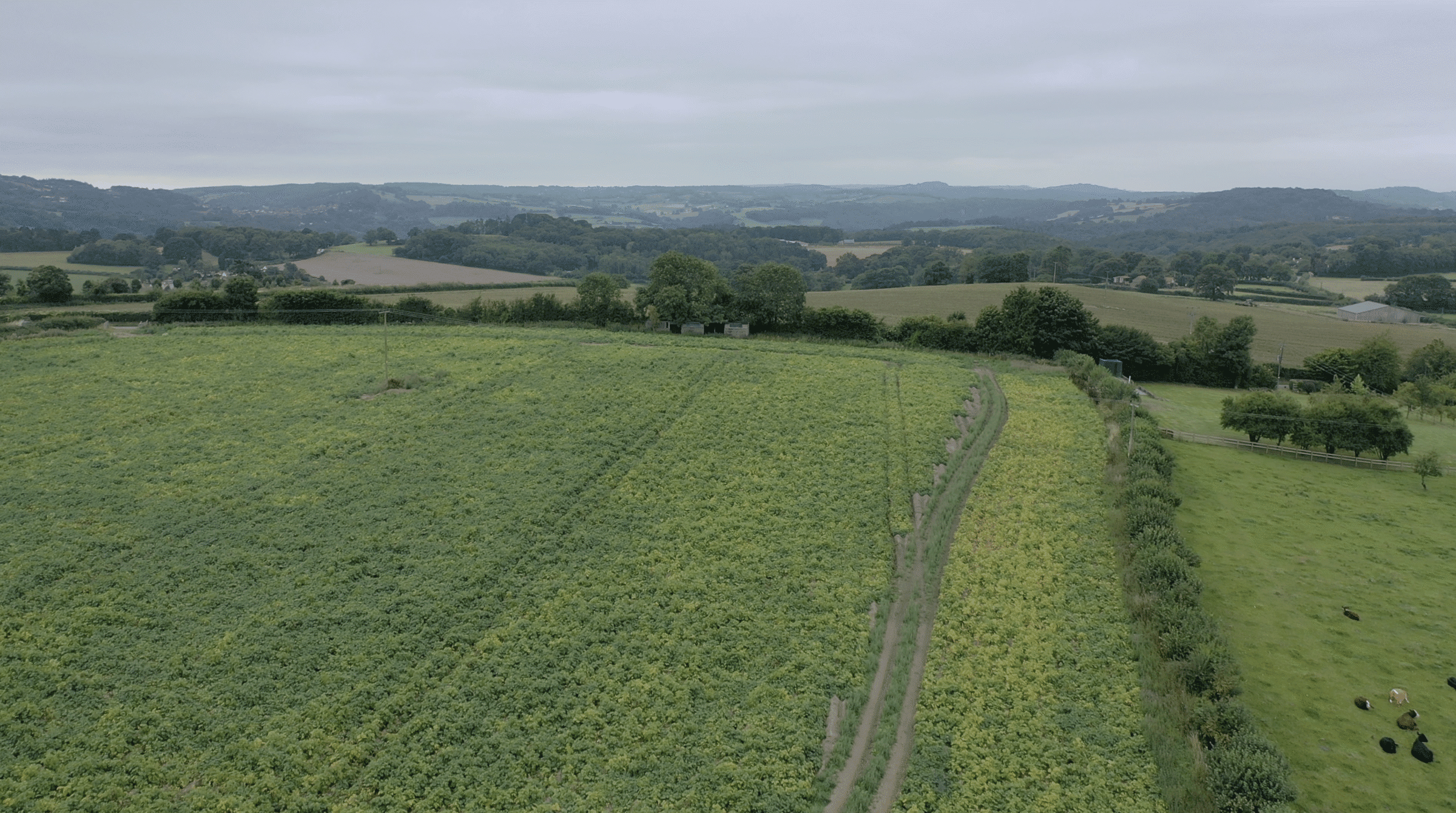
Our approach to AONB projects begins with comprehensive landscape assessment. We analyse site topography, visual relationships, landscape character, and settlement patterns to understand how proposed development can be successfully accommodated. We employ landscape architects experienced in AONB work to provide professional landscape and visual impact assessment where required. And we design buildings that respond positively to their context—using appropriate materials, respecting local building traditions where relevant, and creating forms that sit comfortably within the landscape.
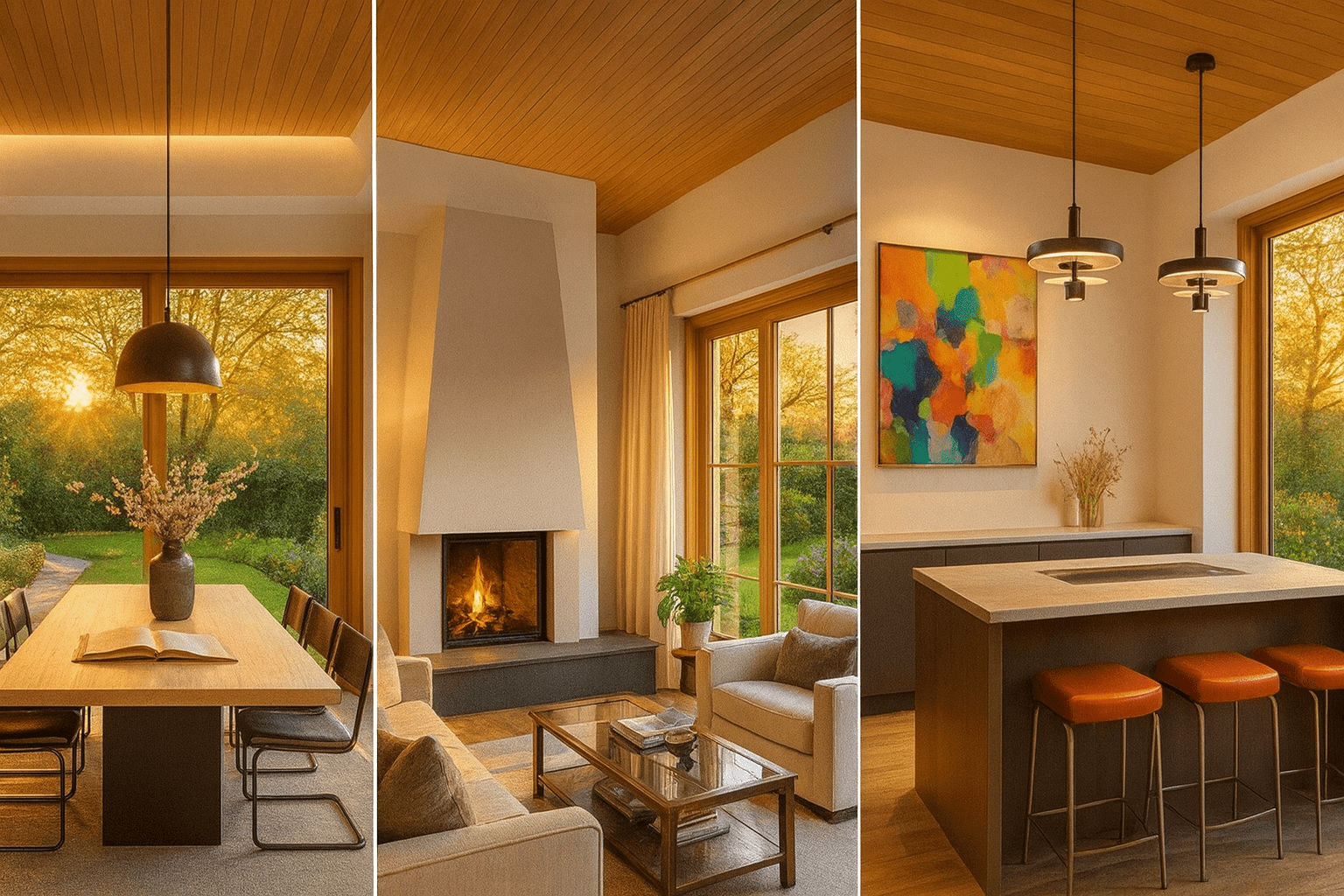
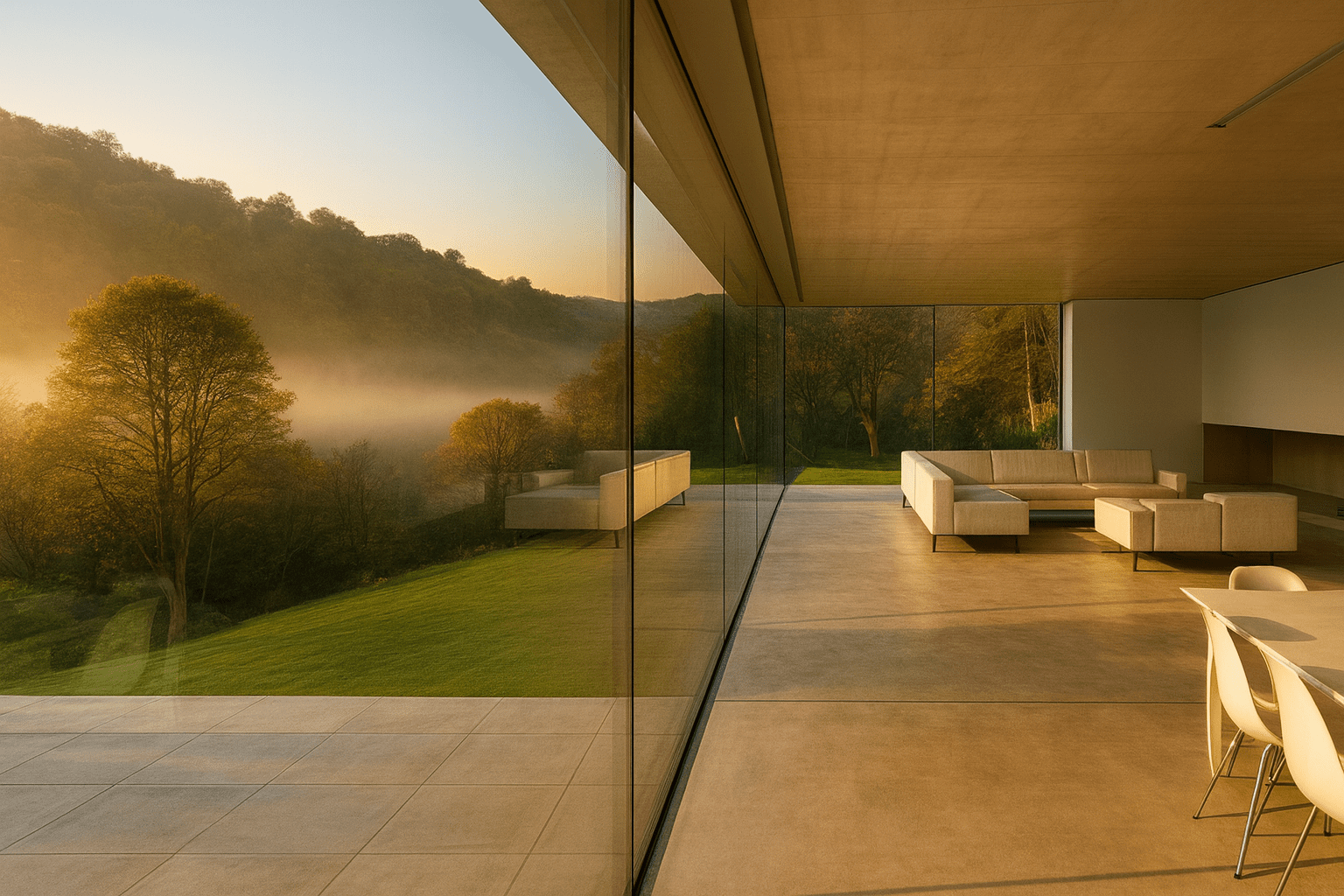
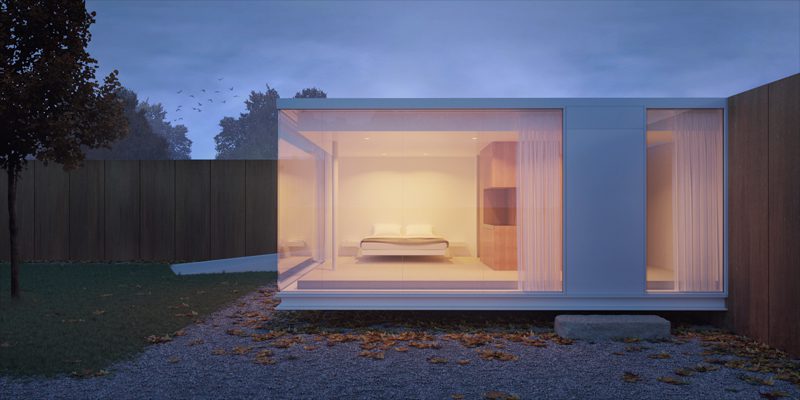
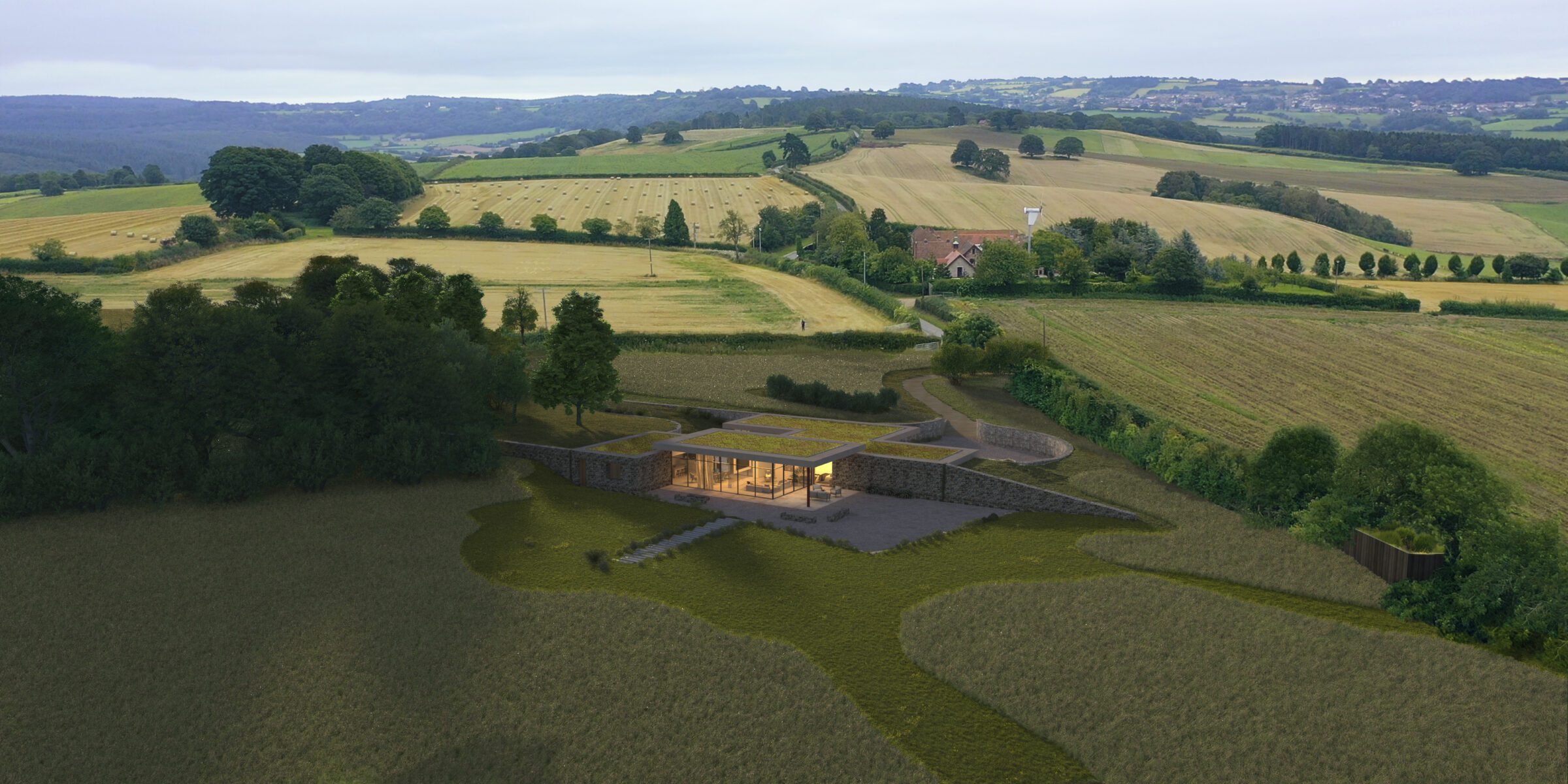
Paragraph 84(e) applications within AONBs present particular opportunities. The policy specifically requires design sensitive to local area characteristics, aligning well with AONB objectives of conserving and enhancing landscape quality. We’ve successfully achieved consents for exceptional quality contemporary homes within AONB settings, demonstrating that outstanding modern architecture can enhance rather than harm protected landscapes when designed with proper sensitivity.
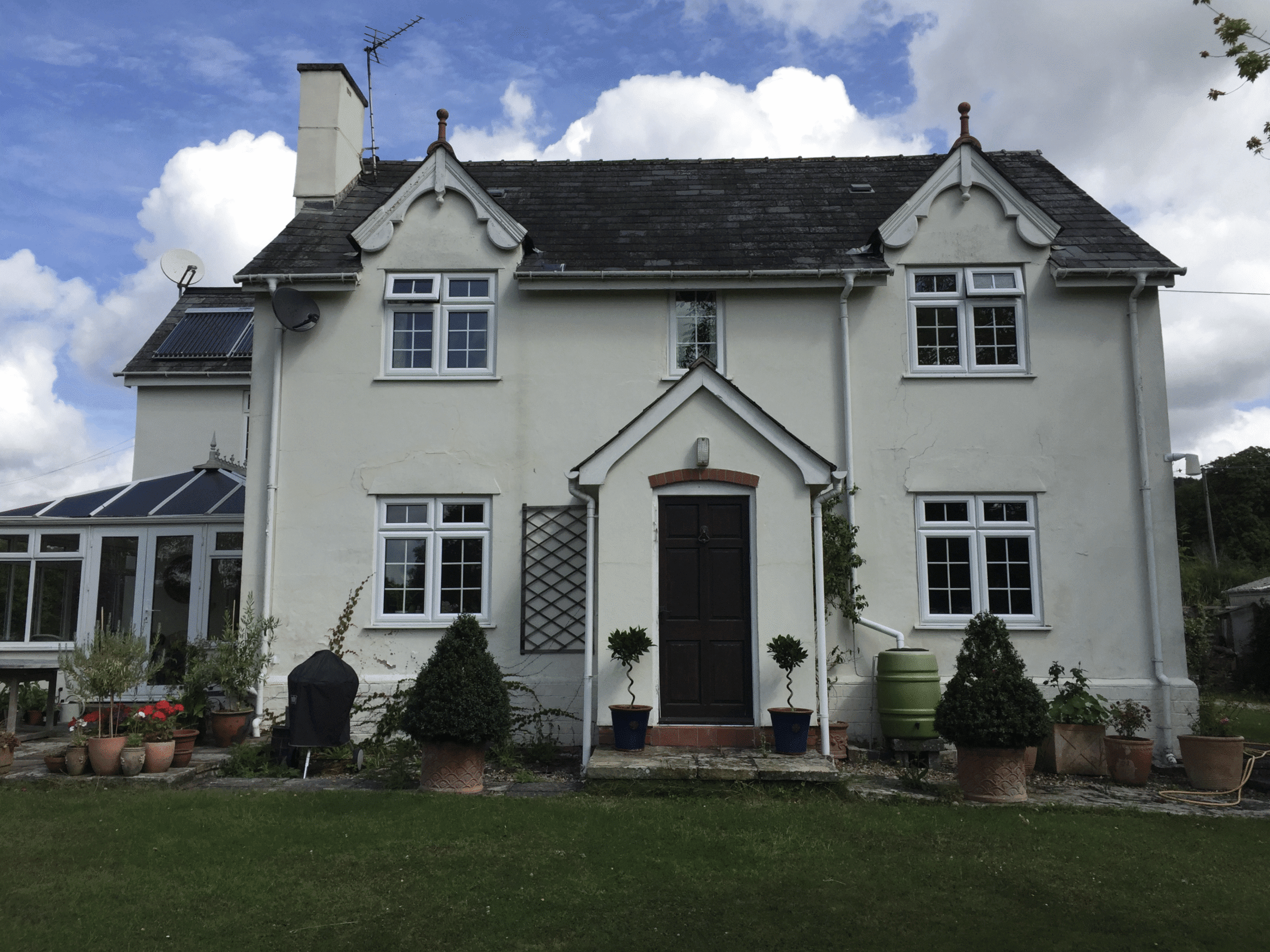
Different project types within AONBs face varying levels of scrutiny. Barn conversions and change of use proposals for existing buildings typically receive more favourable consideration than new build development. Extensions require careful design to avoid harming landscape character through excessive scale or inappropriate materials. New dwellings face the highest hurdles, requiring compelling justification and exceptional design quality.
Whether your project involves a barn conversion in the Wye Valley AONB, a new home in the Cotswolds AONB, or extending a property in the Malvern Hills AONB, we bring the specialist planning knowledge and design expertise these protected landscapes demand. Contact us to discuss how we can help you achieve your architectural aspirations while conserving the landscape quality that makes these areas exceptional.