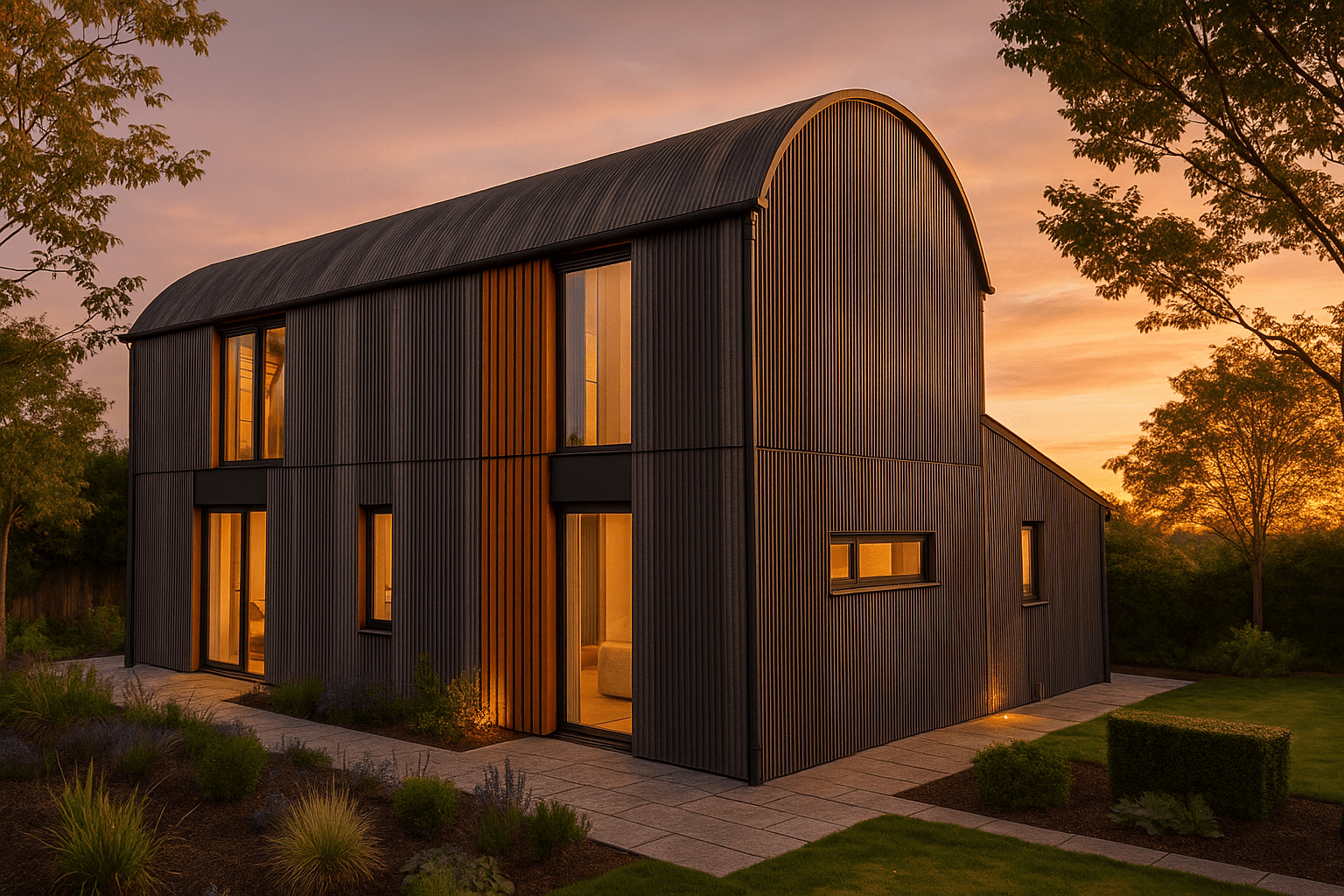
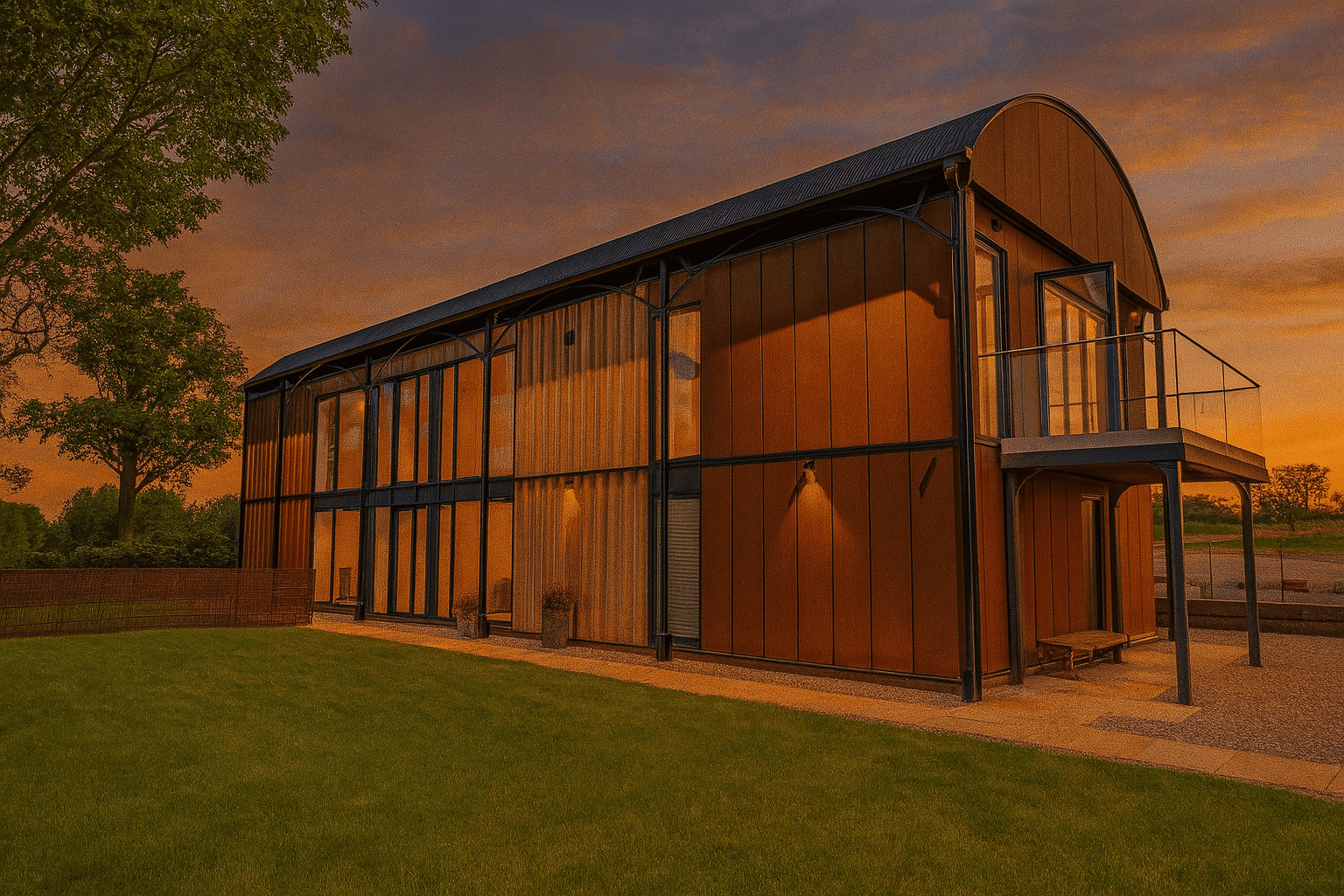
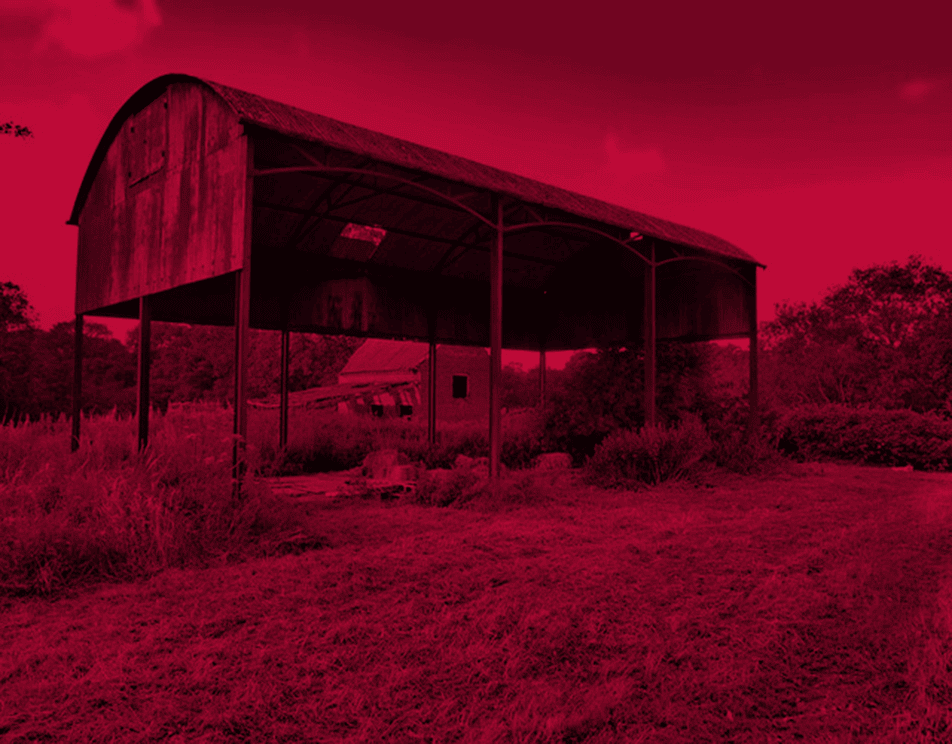
Thomas Studio specialises in barn conversions across Herefordshire, the Cotswolds, Gloucestershire, and Shropshire—a region rich in agricultural heritage offering exceptional opportunities for transforming traditional farm buildings into outstanding contemporary homes. Our portfolio of barn conversions demonstrates our ability to balance respect for historic agricultural character with the demands of modern residential living.
Barn conversion projects present unique architectural challenges that require specialist knowledge. Traditional agricultural buildings were designed for farming operations, not human habitation—they typically feature large open spaces, limited openings, and structural systems built for storing crops or housing livestock. Successfully converting these buildings demands understanding of historic construction methods, structural capabilities, and creative design solutions that introduce natural light, create functional room layouts, and establish comfortable living environments while preserving the building’s essential character.
The planning framework for barn conversions varies significantly depending on location and building status. Many barns in our region lie within Areas of Outstanding Natural Beauty or conservation areas, requiring particularly sensitive design approaches. Listed barn conversions face additional constraints, with Historic England and conservation officers scrutinising proposals to ensure historic fabric is preserved. We have extensive experience navigating these requirements, securing planning consents and listed building consents for projects that might initially appear challenging.
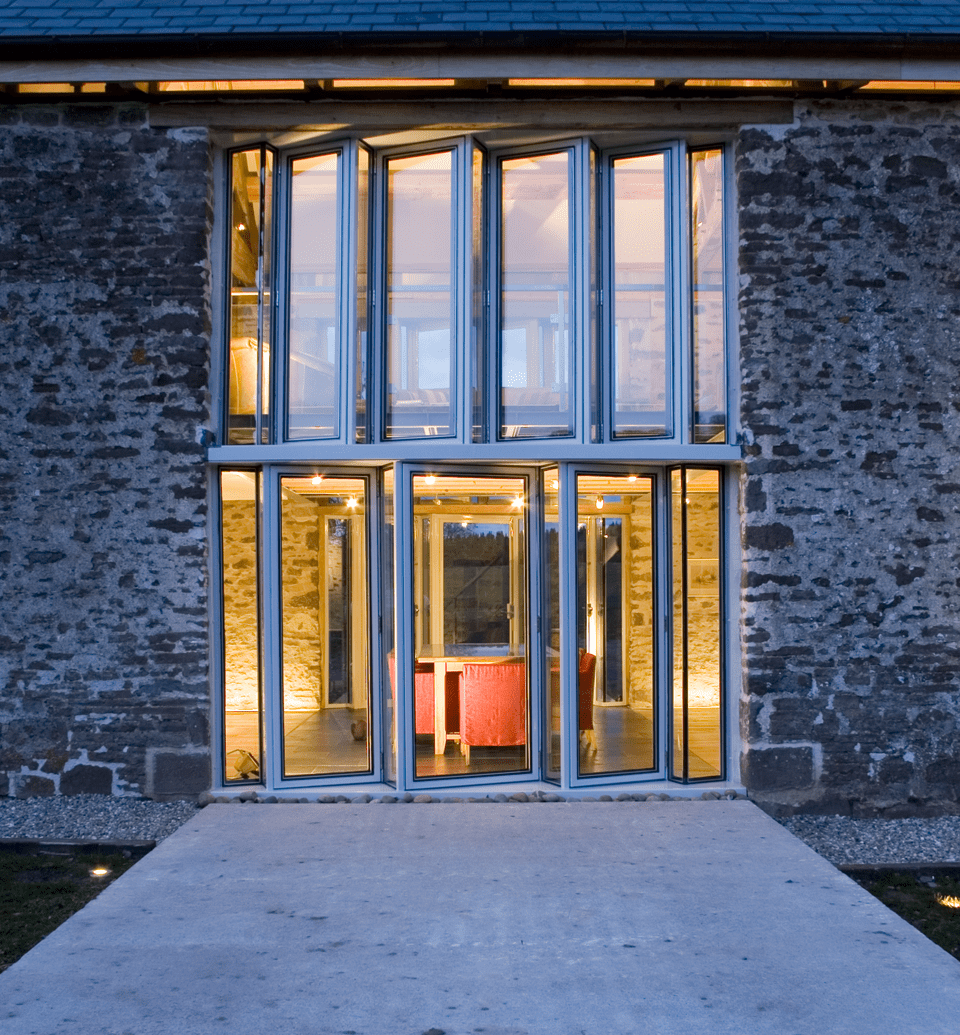
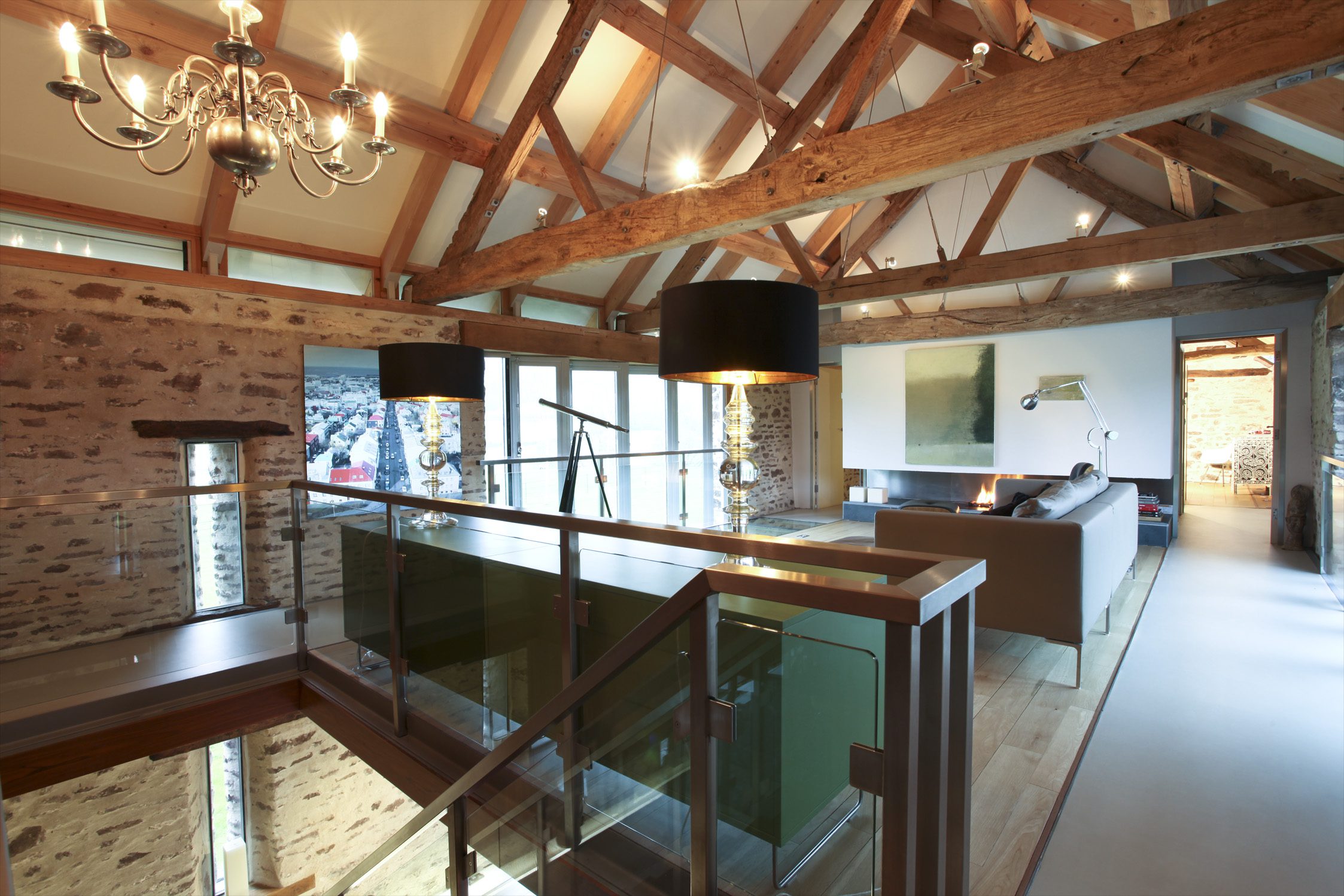
Our approach to barn conversion architecture balances two seemingly contradictory requirements: respecting the agricultural character that makes these buildings special while creating homes that meet contemporary expectations for light, space, and functionality. We achieve this through careful interventions—introducing glazing that reads as contemporary insertions rather than fake agricultural doors, creating mezzanine levels that reveal the volume of the original structure, and using materials that complement rather than compete with historic stonework or timber framing.
Structural considerations are critical in barn conversion projects. Traditional barns often require significant structural work—repairing deteriorated timber frames, stabilising stone walls, introducing new floor structures, and creating openings for windows and doors. We work with specialist structural engineers experienced in historic buildings to ensure interventions are both safe and sympathetic, often employing traditional techniques like lime mortar repairs alongside contemporary engineering solutions.
The Herefordshire and Cotswolds landscape contains diverse barn typologies—from modest stone field barns to substantial timber-framed agricultural complexes. Each requires a bespoke design response. Smaller barns might convert to single homes or holiday accommodation, while larger barns can accommodate multiple dwellings or retain significant open-plan living spaces that celebrate the original agricultural volume.
Building regulations present particular challenges in barn conversions—achieving adequate insulation and airtightness while working with solid stone walls and preserving character features, providing adequate natural light and ventilation within buildings designed to exclude both, and meeting accessibility requirements in structures built across multiple levels. Our experience allows us to navigate these requirements efficiently, avoiding delays and unexpected costs.
Whether you’re considering converting a Listed stone barn in the Cotswolds AONB, a timber-framed barn in rural Herefordshire, or an agricultural building in a Gloucestershire village, we bring the specialist knowledge, design skill, and planning expertise your project requires. Contact us to discuss your barn conversion aspirations and discover how we can transform your agricultural building into an exceptional home.